Smoke & Carbon Monoxide Detector Installation in Marysville, Lake Stevens, Everett, Mukilteo, Seattle, Snohomish, Silver Firs, Bothell, Mill Creek, Maltby, Edmonds, Lynnwood, Mountlake Terrace, Shoreline, Kirkland, Redmond and Bellevue, Washington

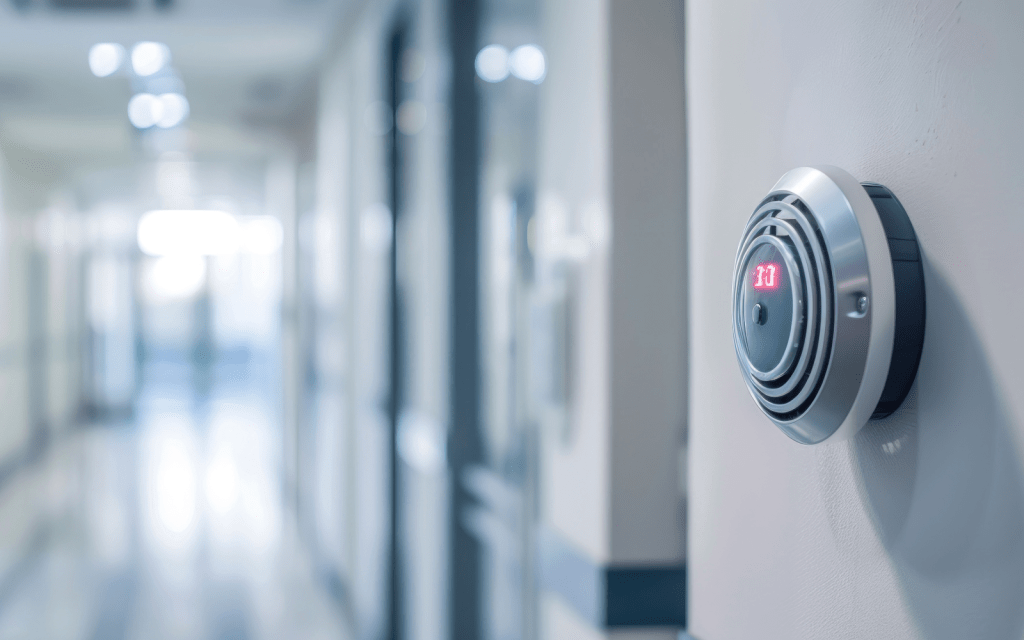
Smoke detectors and carbon monoxide detectors represent your family’s first line of defense against two of the most dangerous threats in residential properties—fire and carbon monoxide poisoning. These life-saving devices provide critical early warning enabling escape from deadly conditions, yet many homes lack adequate detector coverage, have outdated or non-functioning detectors, or don’t meet current code requirements for detector placement and interconnection. At REddie Electric, we provide comprehensive smoke and carbon monoxide detector installation and service throughout Snohomish and King Counties, delivering the expert installation and maintenance that has earned us over 150+ five-star Google reviews and the trust of more than 1,000 homeowners who understand that properly installed, maintained, and interconnected detectors provide essential protection for their families.
Call us any time at (425) 371-8570 or fill out the form to book your Smoke and Carbon Monoxide detector installation emergency services now! For each emergency booked, we will make a charitable contribution to a local community effort of your choice.
Get Your Free No-Obligation Quote Today
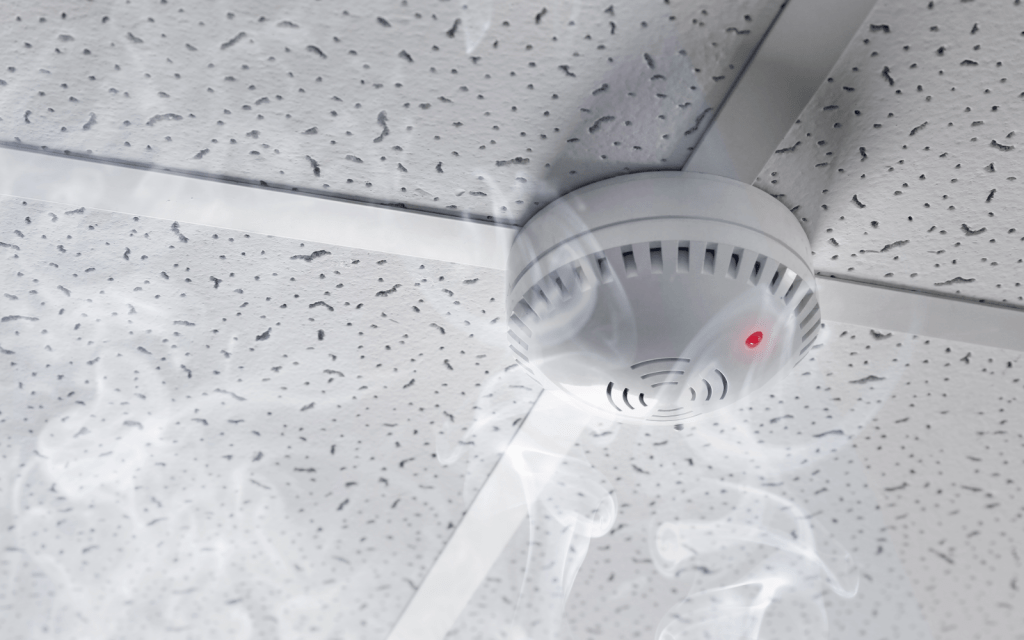
Smoke detectors and carbon monoxide detectors serve distinct but equally critical life-safety functions protecting your family from different but equally deadly hazards. Understanding how these devices work and why proper installation matters helps you appreciate their importance.
Smoke detectors sense smoke particles in air and sound alarms alerting occupants to fire conditions. These devices provide the early warning necessary for safe escape—the difference between waking to alarms with time to evacuate safely versus succumbing to smoke inhalation during sleep. Statistics demonstrate smoke detector effectiveness clearly: homes with working smoke detectors have 50% lower fire death rates than homes without working detectors. The National Fire Protection Association (NFPA) reports that three out of five home fire deaths occur in homes with no smoke detectors or non-functioning smoke detectors.
Smoke detectors use two primary sensing technologies. Ionization smoke detectors respond quickly to fast-flaming fires with relatively little visible smoke, using radioactive material creating ionization between two electrically charged plates. Smoke particles disrupt this ionization triggering alarms. Photoelectric smoke detectors respond more quickly to smoldering fires producing substantial smoke before flames appear, using light beams that smoke particles scatter, triggering sensors. Both technologies have advantages for different fire types, leading many experts to recommend dual-sensor detectors combining both technologies or installing both types throughout homes.
Carbon monoxide (CO) detectors sense this invisible, odorless, colorless gas that causes poisoning deaths. Carbon monoxide results from incomplete combustion in fuel-burning equipment including furnaces, water heaters, fireplaces, generators, vehicles, and various appliances. CO prevents blood from carrying oxygen throughout your body, causing symptoms ranging from headaches and dizziness to loss of consciousness and death. Carbon monoxide poisoning kills hundreds of people annually and sends thousands to emergency rooms. CO detectors provide the only practical means of detecting this imperceptible but deadly gas.
Carbon monoxide detectors use electrochemical sensors or metal oxide semiconductors detecting CO concentrations in air. When CO reaches dangerous levels, detectors sound distinct alarm patterns alerting occupants to evacuate immediately and seek fresh air. Different alarm patterns indicate different urgency levels—four beeps typically signal dangerous CO levels requiring immediate evacuation while occasional single beeps may indicate lower-level concerns or detector maintenance needs.
The critical importance of both detector types stems from the threats they address. Fire spreads rapidly—you may have only two to three minutes to escape from the time smoke detectors sound. Carbon monoxide accumulates quickly in enclosed spaces, reaching lethal concentrations within minutes from generator exhaust or vehicle emissions in garages, or more gradually from malfunctioning heating equipment. Both threats share the characteristic of affecting sleeping occupants before they naturally wake—you can’t smell smoke or CO in your sleep. Properly functioning detectors provide the only reliable warning enabling escape.

Building codes and fire codes establish minimum requirements for smoke detector and carbon monoxide detector installation ensuring baseline protection in all residences. Understanding these requirements helps you determine whether your home meets current standards.
Smoke detector location requirements specify where detectors must be installed. Current codes require smoke detectors in every sleeping room (bedrooms), outside each separate sleeping area within 10 feet of bedroom doors, and on every level of the home including basements. Homes with multiple stories require detectors on every floor even if that floor contains no bedrooms. Attached garages should have smoke detectors even though they’re not finished living space because fires often start in garages.
These location requirements ensure smoke detection throughout homes enabling early warning regardless of fire origin. Fires starting in bedrooms are detected immediately by bedroom detectors. Fires starting elsewhere trigger detectors outside sleeping areas, providing warning before smoke reaches sleeping occupants. Multiple-floor detection ensures fires on any level trigger warnings throughout homes.
Carbon monoxide detector location requirements apply to homes with fuel-burning appliances or attached garages. CO detectors must be installed outside each separate sleeping area within 10 feet of bedroom doors and on every level of the home. Some jurisdictions require CO detectors in or near rooms containing fuel-burning appliances. Attached garages represent CO sources when vehicles operate inside them, making CO detection in adjacent living areas critical.
Washington State code specifically requires carbon monoxide detectors in new construction and when alterations, repairs, or additions requiring permits are performed. Many jurisdictions require CO detector installation when homes are sold. We help homeowners understand specific requirements in their jurisdictions and ensure detector installations meet or exceed minimum code standards.
Interconnection requirements mandate that smoke detectors throughout homes trigger simultaneously when any single detector senses smoke. When one smoke detector activates, all interconnected detectors sound alarms, ensuring occupants throughout homes receive warning regardless of their location relative to fire origin. A fire starting in a basement triggers alarms in upstairs bedrooms immediately rather than waiting for smoke to reach those areas. Interconnection requirements apply to new construction and often when substantial renovations occur or detector systems are replaced.
Interconnection can occur through hardwiring (electrical connections between detectors) or wireless communication (battery-operated detectors communicating via radio signals). Both approaches meet interconnection requirements when properly installed and maintained. Hardwired interconnection provides more reliability long-term because it doesn’t depend on batteries for interconnection function—backup batteries provide alarm power during outages but interconnection operates through wiring.
Detector age and replacement requirements increasingly appear in codes recognizing that smoke detectors degrade over time. The NFPA and most manufacturers recommend replacing smoke detectors every 10 years regardless of apparent function because sensors deteriorate reducing sensitivity and reliability. Carbon monoxide detectors require replacement every 5-7 years depending on manufacturer specifications. Some jurisdictions specifically require detector replacement at these intervals. We help homeowners determine detector ages and recommend replacements for aging units.
Power source requirements for new construction and substantial renovations typically mandate hardwired detectors with battery backup. This requirement ensures detectors receive reliable primary power while battery backup maintains function during power outages. Older homes may have battery-only detectors that were code-compliant when installed. While existing battery-only detectors don’t require upgrading solely due to power source, replacement provides opportunities to upgrade to hardwired interconnected systems.
Specific installation requirements address proper detector mounting and positioning. Smoke detectors on ceilings must mount near center areas rather than near corners where dead air spaces reduce smoke reach. Wall-mounted detectors must install with tops between 4-12 inches below ceilings. Detectors shouldn’t install near doors, windows, or ducts where drafts interfere with smoke detection. Kitchens require special consideration—detectors shouldn’t be too close to cooking areas where normal cooking triggers nuisance alarms but must be close enough to detect kitchen fires. We follow manufacturer specifications and code requirements ensuring optimal detector positioning.
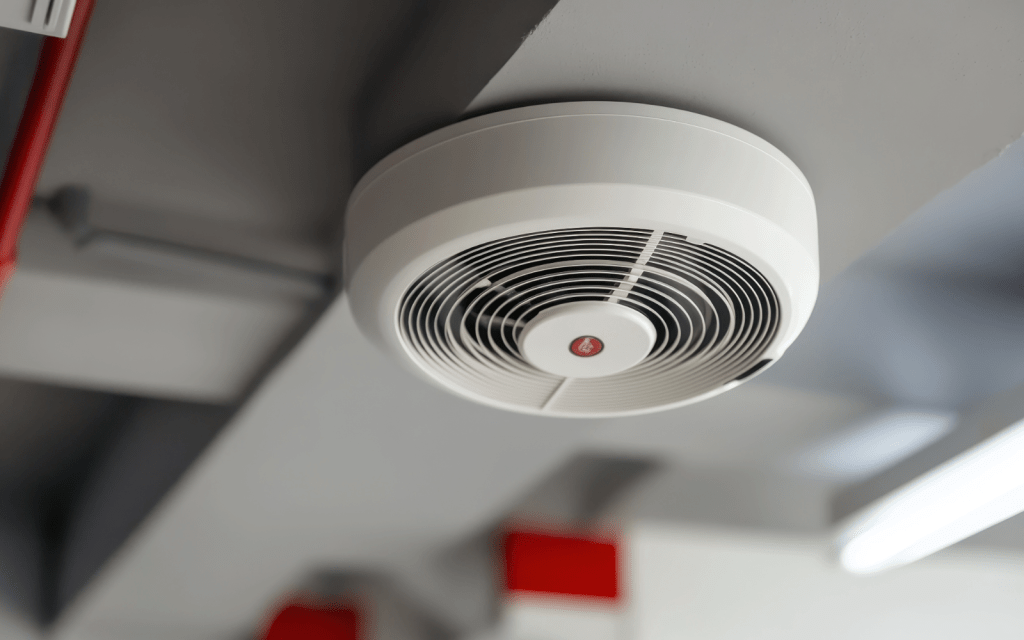
Understanding different smoke detector types, technologies, and features helps you select appropriate detectors for your home. Our expertise covers all detector types and helps you make informed decisions.
Ionization smoke detectors respond quickly to fast-flaming fires characteristic of burning paper, wood, or flammable liquids. These detectors contain small amounts of radioactive material (safe in normal use) creating ionization currents between charged plates. Smoke particles disrupt ionization triggering alarms. Ionization detectors generally cost less than photoelectric detectors and have been installed in homes for decades. However, they respond more slowly to smoldering fires and may be more prone to nuisance alarms from cooking smoke.
Photoelectric smoke detectors respond more quickly to smoldering fires producing substantial smoke before flames appear, common with upholstered furniture, bedding, and electrical fires. These detectors use light beams that smoke particles scatter onto sensors triggering alarms. Photoelectric detectors generally produce fewer nuisance alarms from cooking and are increasingly recommended by fire safety experts. They cost slightly more than ionization detectors but provide superior performance for many common residential fire types.
Dual-sensor smoke detectors combine ionization and photoelectric technologies in single units providing quick response to both fast-flaming and smoldering fires. These detectors offer comprehensive fire detection and are increasingly recommended for residential installations. While dual-sensor detectors cost more than single-technology units, the comprehensive protection justifies the modest additional expense. We recommend dual-sensor detectors for bedroom installations where occupants are most vulnerable.
Combination smoke and carbon monoxide detectors integrate both smoke and CO detection in single units. These combination units simplify installation by serving dual purposes, reduce the number of devices on ceilings and walls, and ensure homes have both types of protection. However, different optimal locations for smoke and CO detectors sometimes make separate dedicated detectors preferable. We discuss combination versus separate detectors based on your home layout and specific needs.
Smart smoke detectors provide enhanced features including smartphone alerts when detectors trigger (valuable when away from home), self-testing and status monitoring reporting detector health, voice announcements identifying which detector triggered and alarm type, temporary silence features reducing nuisance alarm frustration, and integration with smart home systems. Smart detectors cost significantly more than basic models but provide convenience and enhanced monitoring. We install various smart detector brands and help you evaluate whether smart features justify additional costs.
Specialty detectors address specific needs. Low-frequency detectors produce 520 Hz alarm tones (compared to standard 3,100 Hz) that more effectively wake children and hearing-impaired individuals. Strobe light detectors for hearing-impaired occupants provide visual alarm indication. Heat detectors for garages, attics, and kitchens detect temperature increases rather than smoke, avoiding nuisance alarms in these locations while still providing fire detection. We help you identify specialty detector needs and install appropriate devices.
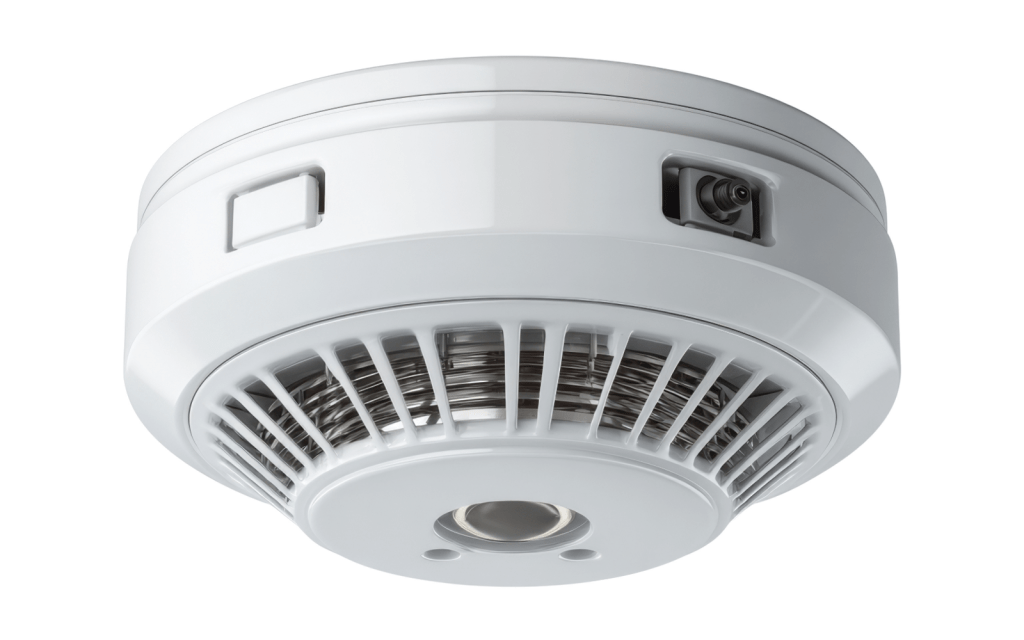
Carbon monoxide detector selection involves fewer technology variations than smoke detectors but still requires understanding available options and features for appropriate selection.
Electrochemical sensor CO detectors represent the most common and reliable residential CO detection technology. These detectors use chemical sensors producing electrical currents when exposed to carbon monoxide. Current strength relates to CO concentration, triggering alarms at dangerous levels. Electrochemical CO detectors provide accurate, reliable detection and represent the standard for residential applications. These detectors typically cost more than metal oxide semiconductor detectors but offer superior performance and reliability.
Metal oxide semiconductor CO detectors use semiconductor materials changing electrical resistance when exposed to carbon monoxide. These detectors generally cost less than electrochemical models but may be more prone to false alarms and typically have shorter useful lives. We generally recommend electrochemical CO detectors for residential installations despite slightly higher costs because reliability matters for life-safety devices.
Battery-powered CO detectors provide portable installation anywhere without electrical connections. Modern long-life batteries or sealed 10-year batteries eliminate frequent battery replacement concerns. Battery-powered detectors work well in locations without convenient electrical outlets or when avoiding electrical installation costs. However, battery-powered detectors don’t interconnect as reliably as hardwired models and depend entirely on battery maintenance.
Plug-in CO detectors insert directly into electrical outlets providing simple installation. Many include battery backup ensuring operation during power outages. Plug-in detectors work well for quick installation and easy relocation. However, they occupy electrical outlets and may be inadvertently unplugged. Low outlet positions may not provide optimal CO detection since carbon monoxide mixes evenly throughout air rather than rising or falling like smoke or other gases.
Hardwired CO detectors connect to home electrical systems with battery backup maintaining operation during outages. Hardwired detectors integrate with interconnection systems triggering all detectors simultaneously when one senses CO. Professional installation ensures proper operation and optimal placement. We recommend and install hardwired interconnected CO detectors providing the most reliable residential CO detection.
Digital display CO detectors show current carbon monoxide concentration levels in parts per million (PPM) rather than simply alarming at dangerous thresholds. Digital displays provide early warning of developing CO problems before concentrations reach alarm levels. These detectors help identify CO sources for earlier remediation. Digital display detectors cost more than standard alarm-only models but provide valuable additional information.
Combination smoke and CO detectors integrate both detection types as discussed in smoke detector section. These combination units work well when optimal locations for smoke and CO detection align. We evaluate whether combination units or separate dedicated detectors best suit your home layout.
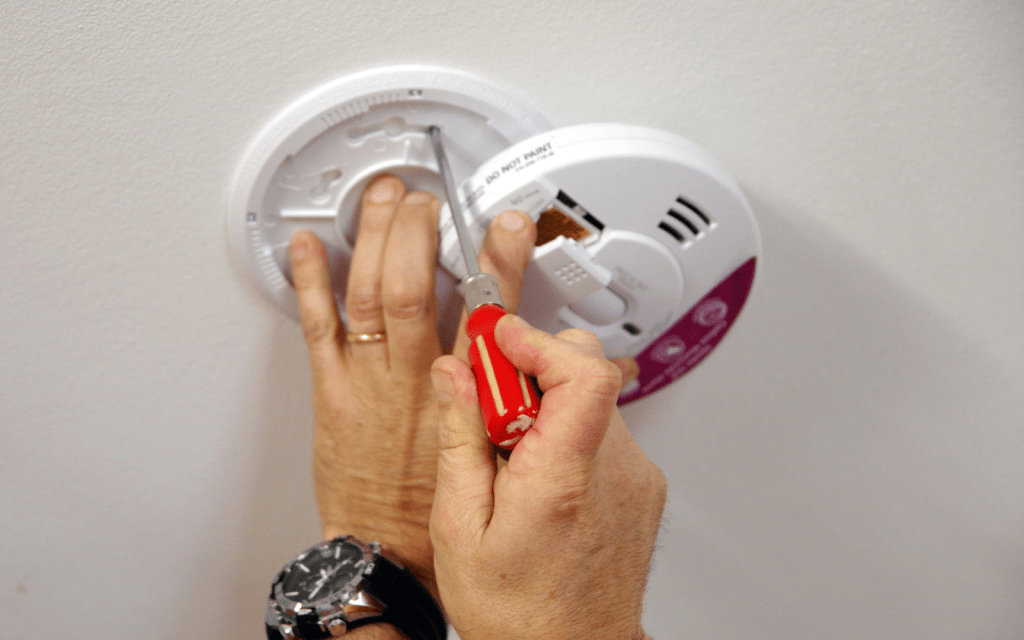
Professional detector installation ensures optimal protection through proper device selection, correct placement, reliable interconnection, and code-compliant installation. Our comprehensive installation services address all aspects of residential smoke and CO detection.
Complete detector system design begins our installation services. We assess your home layout identifying required detector locations per code requirements, recommend detector types appropriate for each location, plan interconnection approaches for comprehensive protection, identify optimal mounting locations avoiding dead air spaces and sources of nuisance alarms, and develop complete detector systems meeting and exceeding minimum code requirements.
Hardwired detector installation provides reliable, interconnected protection. We install complete hardwired detector systems including running wiring between detector locations to main panels, interconnecting all detectors for simultaneous activation, providing battery backup at each detector, installing detectors at optimal locations with proper mounting, testing complete systems ensuring proper operation, and verifying interconnection functions correctly throughout systems.
Battery-operated detector installation provides cost-effective solutions when hardwiring isn’t practical. We install battery-operated detectors at code-required locations, recommend long-life or sealed 10-year battery models reducing maintenance, install wireless interconnected detectors when interconnection is required, ensure proper mounting and positioning, and provide operation and maintenance training.
Detector replacement and upgrades address aging or outdated detector systems. We replace detectors exceeding 10-year service lives, upgrade battery-only detectors to hardwired interconnected systems, replace non-functional or unreliable detectors, upgrade to dual-sensor or smart detectors when desired, and ensure replacement systems meet current code requirements.
Interconnection system installation enables simultaneous activation throughout homes. We interconnect existing compatible detectors when possible, install complete new interconnected systems when necessary, use hardwired or wireless interconnection based on home construction and access, verify interconnection operates correctly throughout systems, and ensure one detector triggering activates all interconnected devices.
Smart detector system installation provides enhanced monitoring and features. We install smartphone-connected smart detectors, integrate detectors with home automation platforms, configure alerts and notifications through apps, ensure reliable wireless connectivity for smart features, and train homeowners on smart detector features and operation.
Testing and verification confirms proper detector installation and function. We test each detector ensuring proper alarm operation, verify interconnection triggers all detectors simultaneously, confirm CO detectors respond appropriately to test gas, test battery backup function during simulated power outages, and document complete system testing for your records.
Code compliance documentation supports inspections and home sales. We provide documentation of code-compliant detector installations, coordinate with building inspectors when permits are required, supply information supporting home sale requirements, and ensure detector systems meet all applicable standards.
Contact REddie Electric any time at (425) 371-8570 for emergency Smoke and Carbon Monoxide detector installation services.
Optimal detector placement significantly affects detection speed and reliability. Professional installation ensures detectors locate in positions providing maximum protection and minimum nuisance alarms.
Bedroom smoke detectors must install in every sleeping room per code requirements. We install detectors on ceilings near room centers or on walls with tops 4-12 inches below ceilings, position detectors away from air supply vents that blow smoke away from sensors, avoid locations near ceiling fans that disperse smoke before detection, and ensure bedroom detectors interconnect with all other home detectors.
Hallway detectors outside sleeping areas provide critical protection for occupants in bedrooms. We install detectors within 10 feet of bedroom door openings, position detectors to detect smoke approaching sleeping areas, place detectors where alarm sounds clearly reach all bedrooms, and ensure hallway detectors integrate with complete detector systems.
Common area and living space detectors provide protection throughout homes. We install detectors in living rooms, family rooms, and dens where fires commonly start, position detectors near stairways where smoke naturally rises, avoid locations too close to fireplaces that may cause nuisance alarms, and ensure coverage throughout homes.
Kitchen detector placement requires careful consideration balancing fire detection and nuisance alarm prevention. We position smoke detectors 10+ feet from cooking appliances when possible to minimize cooking-related alarms, recommend photoelectric detectors in kitchen areas reducing nuisance alarm sensitivity, consider heat detectors in kitchens as alternatives or supplements to smoke detectors, and ensure kitchens have adequate detection despite nuisance alarm concerns.
Basement detectors protect lower levels including areas where furnaces and water heaters create fire risks. We install detectors at the top of basement stairs ensuring alarm sound reaches upper floors, position detectors near furnace rooms and mechanical equipment, avoid locations where high humidity causes nuisance alarms, and ensure basement detectors interconnect with home systems.
Garage detectors address fire risks in attached garages where vehicles and flammable materials create hazards. We install heat detectors rather than smoke detectors in garages avoiding exhaust-triggered nuisance alarms, position detectors where fires most likely start, ensure garage detectors alert occupants in adjacent living spaces, and install CO detectors in adjacent living spaces addressing vehicle exhaust concerns.
Cathedral and vaulted ceiling considerations require specific positioning. We install detectors within 3 feet horizontally of peak areas where smoke accumulates, avoid “dead air” spaces at ceiling peaks where smoke may not reach, consider multiple detectors for large vaulted ceiling areas, and ensure adequate detection despite challenging ceiling configurations.
CO detector placement follows different principles than smoke detectors because CO mixes evenly throughout air. We install CO detectors outside sleeping areas at any height (wall or ceiling), position detectors near potential CO sources including furnace rooms and attached garages, avoid locations near fuel-burning appliances where normal operation might trigger alarms, install detectors on every level regardless of CO source locations, and consider detectors in or near bedrooms for sleeping occupant protection.
Ready for your Smoke and Carbon Monoxide detector installation services? Call any time at (425) 371-8570 for expert integration services.

Interconnected detector systems provide substantially better protection than independent detectors by ensuring occupants throughout homes receive immediate warning regardless of fire location. Understanding interconnection benefits and methods helps you appreciate this critical feature.
Interconnection safety benefits are substantial and scientifically demonstrated. When fire starts in basements, basement detectors trigger immediately, but basement alarms might not wake sleeping occupants on upper floors until smoke reaches those areas—precious minutes may pass before upstairs bedroom detectors activate. Interconnection ensures all detectors throughout homes alarm simultaneously when any single detector triggers, providing immediate warning to all occupants regardless of location. This simultaneous activation can provide the critical extra seconds or minutes needed for safe escape, particularly for occupants in areas distant from fire origins.
Building codes increasingly require interconnection recognizing these safety benefits. New construction must have interconnected smoke detectors. Many jurisdictions require interconnection when detector systems are replaced or when substantial renovations occur. While existing non-interconnected detectors in older homes may not require upgrading solely for interconnection, replacement provides valuable opportunities to implement interconnected systems.
Hardwired interconnection connects detectors electrically through dedicated interconnect wiring. Three-wire systems include power (black), neutral (white), and interconnect (typically red or yellow) conductors. When any detector triggers, it sends signals through interconnect wiring causing all connected detectors to alarm. Hardwired interconnection provides the most reliable long-term performance because interconnection function doesn’t depend on batteries—backup batteries maintain alarm capability during power outages but interconnection operates through wiring even during outages when detectors use battery power.
We install hardwired interconnection by routing three-conductor cable between all detector locations, connecting detectors in parallel so all receive interconnect signals, verifying proper wiring polarity and connections throughout systems, testing interconnection confirming one detector triggering activates all devices, and ensuring reliable hardwired interconnection.
Wireless interconnection enables interconnection without running wires between detectors using radio frequency communication. Wireless interconnected detectors pair together during installation, creating networks where one detector triggering sends wireless signals to all paired detectors. Wireless interconnection works particularly well in existing homes where running interconnect wiring would be difficult or expensive due to finished walls and ceilings.
Modern wireless interconnected detectors provide reliable communication through most residential construction. We install wireless interconnected systems ensuring all detectors pair properly and communicate reliably, test communication range throughout homes confirming signals reach all detectors, verify one detector triggering activates all wireless-interconnected devices, and provide reliable wireless interconnection when hardwired systems aren’t practical.
Hybrid systems combine hardwired and wireless interconnection enabling flexible installation. Some hardwired detectors include wireless transmitters or receivers allowing integration with wireless detectors. Hybrid approaches enable adding wireless detectors to existing hardwired systems or creating partially hardwired, partially wireless interconnection. We design hybrid systems when appropriate for specific home situations.
Testing interconnection verifies system function. We test interconnection by triggering each detector individually using test buttons and verifying all interconnected detectors alarm throughout homes. This comprehensive testing ensures proper interconnection function and identifies any communication failures requiring correction.
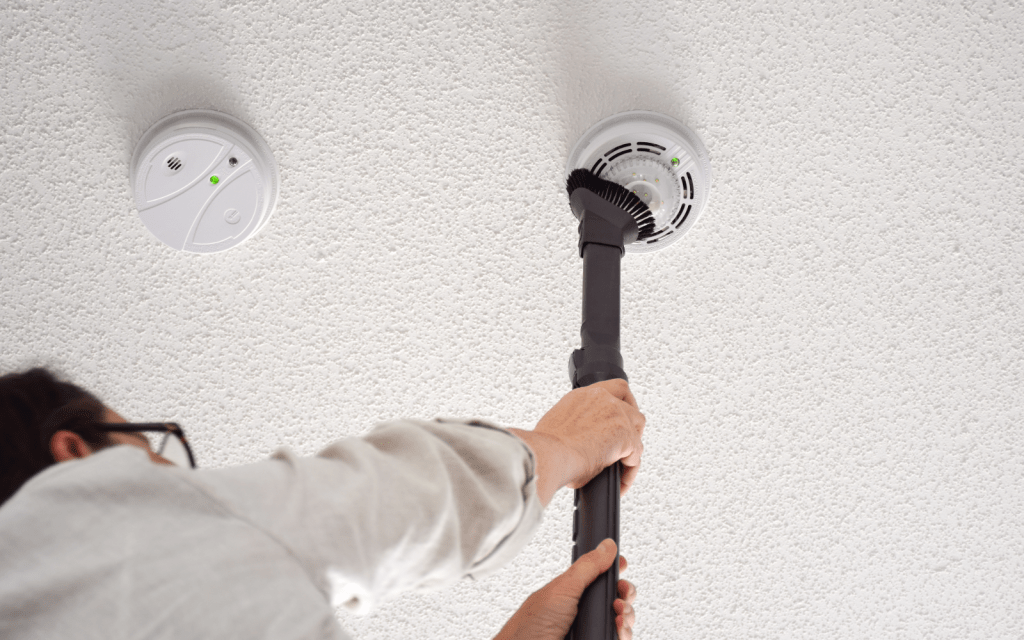
Regular detector maintenance and testing ensure continued protection. Understanding maintenance requirements helps you maintain detector systems properly between professional service visits.
Monthly testing represents the most important ongoing maintenance. Pressing test buttons on detectors triggers self-test sequences verifying alarm function. We recommend testing all detectors monthly to ensure continued operation. If detectors don’t alarm properly during testing, immediate battery replacement or detector replacement is necessary. Many homeowners mark test dates on calendars or set smartphone reminders ensuring consistent monthly testing.
Battery replacement in hardwired detectors with battery backup or battery-only detectors prevents detector failures. Traditional 9-volt batteries require annual replacement or more frequently if low-battery chirping indicates battery depletion. Many detectors chirp intermittently (typically once per minute) indicating low batteries requiring immediate replacement. We recommend replacing batteries annually at predictable times like daylight saving time changes. Some modern detectors include sealed 10-year batteries eliminating replacement during detector useful life—entire detectors replace after 10 years rather than replacing batteries.
Cleaning detectors removes dust and debris that interfere with smoke sensing. Vacuuming detector exterior vents monthly with soft brush attachments removes accumulated dust. Avoid spraying detectors with cleaners or painting them as these actions damage sensors. Detector covers can be carefully removed periodically for more thorough interior cleaning per manufacturer instructions.
Visual inspection during testing checks for physical damage, deterioration, or paint accumulation. Detectors should be intact without damage, have clear vent openings, be securely mounted to ceilings or walls, and show manufacture dates or installation dates on backs indicating detector age.
Detector age tracking ensures timely replacement. Smoke detectors should be replaced every 10 years regardless of apparent function because sensors degrade over time reducing sensitivity and reliability. Carbon monoxide detectors require replacement every 5-7 years per manufacturer specifications. Many detectors include manufacture dates printed on backs—add 10 years to manufacture dates to determine smoke detector replacement dates. Some modern detectors include end-of-life alarms sounding distinct patterns when replacement is needed.
We help homeowners establish maintenance schedules and provide reminder services for testing and replacement when desired. Our installation documentation includes detector ages and recommended replacement dates for easy reference.
Professional inspection and testing should occur periodically supplementing homeowner maintenance. We recommend professional detector system evaluation every 5-10 years to verify proper function and code compliance, when purchasing homes to assess existing detector systems, after renovations ensuring detectors weren’t disturbed or relocated improperly, when chronic nuisance alarms suggest problems, and whenever concerns about detector system adequacy arise.

Various problems affect smoke and carbon monoxide detectors ranging from nuisance alarms to complete failures. Understanding common issues helps you recognize problems and seek appropriate solutions.
Nuisance alarms from smoke detectors frustrate homeowners and sometimes lead to detector removal or disabling—dangerous practices that eliminate protection. Common nuisance alarm causes include cooking smoke when detectors are too close to kitchens, steam from showers when detectors are near bathrooms, dust and insects entering detector chambers, high humidity, cigarette or vape smoke, and detector age causing increased false alarm sensitivity.
Solutions for nuisance alarms include relocating detectors away from kitchens and bathrooms when too close, replacing ionization detectors with photoelectric models less sensitive to cooking smoke, cleaning detectors removing dust and insects, replacing aging detectors over 10 years old, using detector hush features temporarily silencing alarms, and never removing batteries or disabling detectors permanently. We help identify nuisance alarm causes and implement appropriate solutions maintaining protection while reducing false alarms.
Chirping detectors typically indicate low batteries requiring replacement. Single chirps every 30-60 seconds signal low battery conditions in battery backup or battery-only detectors. Replacing batteries with fresh high-quality units typically resolves chirping. Some detectors chirp when reaching end-of-life after 10 years, indicating complete detector replacement is necessary. Other chirping patterns might indicate detector malfunctions requiring replacement. We help interpret chirping patterns and resolve underlying causes.
Non-functioning detectors represent serious safety deficiencies. Detectors that don’t alarm during test button presses may have dead batteries, be too old with failed sensors, have manufacturing defects, or have wiring problems in hardwired systems. Any detector failing test procedures requires immediate attention—battery replacement for battery-powered units or complete detector replacement when batteries aren’t the issue. We diagnose non-functioning detectors and restore proper operation.
Interconnection failures where one detector triggering doesn’t activate others indicate wiring problems in hardwired systems, wireless communication failures in wireless systems, improper detector installation or programming, or incompatible detector types in mixed systems. Interconnection provides critical safety value making these failures serious. We diagnose interconnection problems and restore proper system-wide activation.
Carbon monoxide detector alarms require immediate response and investigation. When CO detectors alarm, evacuate immediately to fresh air, call 911 reporting possible carbon monoxide exposure, do not re-enter until emergency responders clear buildings, identify and repair CO sources before reoccupying spaces, and have building occupants evaluated medically if CO exposure is confirmed. Some CO detector sounds indicate low-level CO detection requiring investigation rather than immediate evacuation—we help you understand different CO detector alarm patterns and appropriate responses.
CO detectors occasionally alarm from non-CO sources including extreme humidity, detector age, or electrical problems. However, treating every CO alarm as potentially real ensures safety. We help identify whether CO detector activations represent actual CO presence or detector problems requiring replacement.
Painted or damaged detectors don’t function properly and require replacement. Paint or thick dust accumulation over detector vents prevents smoke or CO from reaching sensors. Physical damage from impacts, water exposure, or age affects detector reliability. Any painted, damaged, or suspicious-appearing detectors should be replaced regardless of testing results because internal damage may not be apparent.

Choosing between battery-powered and hardwired detectors involves understanding the advantages and limitations of each approach. Both meet code requirements when properly installed and maintained, but they offer different benefits.
Battery-powered detectors provide several advantages including simple installation without electrical wiring, easy relocation to different locations, operation during power outages (their only power source), lower installation costs than hardwired systems, and suitability for rental properties or temporary installations. Modern long-life or sealed 10-year batteries eliminate frequent battery changes that historically plagued battery-powered detectors.
Battery-powered detector limitations include dependence on battery maintenance for all function (not just backup), wireless interconnection being less reliable than hardwired interconnection, potential for battery removal during nuisance alarms without replacement, no indication of battery depletion until chirping starts, and generally shorter total system life than hardwired detectors. Battery-powered detectors work well when hardwired installation isn’t practical due to finished construction, budget limitations, or rental property status.
Hardwired detectors offer significant advantages including reliable primary power from home electrical systems, battery backup maintaining operation during outages (best of both power approaches), more reliable hardwired interconnection than wireless communication, lower long-term maintenance than battery-only detectors, generally longer service life than battery-powered models, and full code compliance for new construction. Hardwired detectors represent the optimal approach when installation is practical.
Hardwired detector limitations include higher installation costs due to electrical work requirements, requirement for professional installation (not DIY-friendly), temporary loss of protection during power outages if batteries aren’t maintained, and difficulty adding detectors in finished spaces without significant electrical work. Despite higher installation costs, hardwired detectors’ reliability and long-term lower maintenance make them worthwhile investments.
Code requirements for new construction and substantial renovations typically mandate hardwired detectors with battery backup. Existing battery-powered detectors remain acceptable in older homes when they were code-compliant at installation, but replacement provides opportunities to upgrade to hardwired systems. We help homeowners evaluate whether battery-powered or hardwired detectors best suit their situations and budgets.
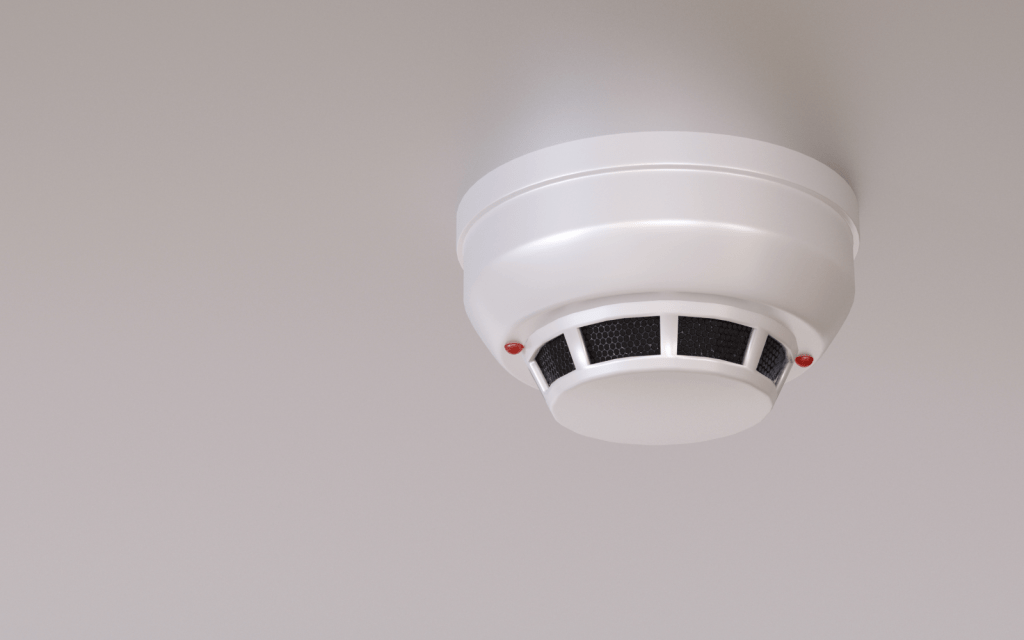
Smart detector technology adds modern capabilities to traditional smoke and CO detection, providing enhanced monitoring, remote notification, and integration with home automation systems. Understanding smart detector features helps you evaluate whether these capabilities justify premium costs.
Smartphone connectivity allows detectors to send alerts to your phone when alarms trigger, providing immediate notification when you’re away from home. If alarms sound while you’re at work or traveling, you receive instant alerts enabling prompt response—calling neighbors, contacting emergency services, or returning home. This remote notification provides particular value for rental properties, vacation homes, or any situation where unattended properties require monitoring.
Self-testing and monitoring capabilities automate the monthly testing homeowners often neglect. Smart detectors perform regular self-tests and report status through smartphone apps. Low battery notifications arrive through apps rather than annoying middle-of-night chirping. End-of-life warnings provide advance notice enabling planned replacement rather than unexpected detector failures. These monitoring capabilities ensure detectors remain functional without constant homeowner attention.
Voice announcements identify which detector triggered and alarm type, providing valuable information during emergencies. Rather than identical alarms from all detectors, smart detectors announce “Smoke detected in kitchen” or “Carbon monoxide in basement,” helping occupants understand threat locations and types. This information supports better decision-making during emergencies including which escape routes are safe and whether smoke or CO creates the hazard.
Temporary silence features reduce nuisance alarm frustration without disabling detectors. When cooking triggers kitchen detectors, smartphone apps enable temporary silencing (typically 8-10 minutes) without climbing on furniture to reach detector buttons. Detectors automatically resume full sensitivity after silence periods, preventing permanent disabling that eliminates protection. This convenience makes homeowners less likely to remove batteries during nuisance alarms.
Smart home integration connects detectors with broader home automation systems. Smart detectors can trigger actions including turning on lights throughout homes when alarms sound (improving visibility during evacuations), unlocking smart locks enabling easier escape, sending alerts to multiple family members simultaneously, triggering security camera recording during alarm events, and integrating with smart thermostats to shut down HVAC during CO detection (preventing CO circulation).
Monthly safety statements from some smart detector systems provide email or app notifications confirming all detectors tested themselves successfully and are operating normally. These proactive confirmations provide peace of mind that protection is functioning properly without manual testing.
Premium costs for smart detectors range from 2-4 times basic detector costs. Individual smart smoke detectors cost $80-150 compared to $15-30 for basic units. Smart combination smoke/CO detectors cost $100-200 compared to $30-50 for basic combinations. Complete home smart detector systems cost $500-1,500+ depending on home size and selected features.
Whether smart detector features justify premium costs depends on personal circumstances including how often you’re away from home (remote notification value), your diligence with manual testing (self-monitoring value), your home automation investment (integration value), and your budget for safety improvements. We help homeowners evaluate smart detector options and make informed decisions balancing features, costs, and benefits.

Different home configurations require tailored approaches to smoke and CO detector installation. Our experience with diverse property types enables appropriate detector system design for any situation.
Single-family homes require detectors throughout including in all bedrooms, outside sleeping areas on all floors, on every level including basements, and near potential CO sources. We design comprehensive single-family home detector systems, ensure all code requirements are met, provide interconnection throughout homes, and install appropriate detector types for each location.
Multi-story homes need special attention ensuring alarm sounds reach all levels and occupants on distant floors receive adequate warning. We install adequate detector quantities for large homes, ensure interconnection communicates throughout multi-level homes, verify alarm sound levels reach all areas, consider additional detectors beyond minimum code requirements, and provide comprehensive protection for complex layouts.
Townhouses and duplexes sometimes share common walls or structural elements with adjacent units. Fire or CO in adjacent units occasionally affects neighboring spaces. We install detectors meeting code requirements for your unit, discuss detectors on shared walls detecting fires from adjacent units, ensure CO detection addresses attached garage risks, and provide appropriate protection for multi-family configurations.
Apartments and condominiums often have landlord or HOA requirements beyond basic codes. Some buildings have specific detector types or brands required for uniformity. Rental properties sometimes have landlord-provided detectors prohibiting changes. We work within building requirements, coordinate with landlords or HOAs as needed, ensure tenant-installed detectors meet building standards, and respect property ownership considerations during detector service.
Manufactured and mobile homes have specific detector requirements based on construction types. We understand manufactured home detector requirements, install detectors meeting mobile home specifications, ensure adequate protection in typically smaller floor plans, and address manufactured home-specific considerations.
Homes with attached ADUs or in-law units require detector coverage in both primary homes and accessory units. We design complete detector systems for homes with ADUs, ensure both primary and accessory spaces have adequate detection, provide separate or integrated interconnection depending on configuration, and meet code requirements for both dwelling units.
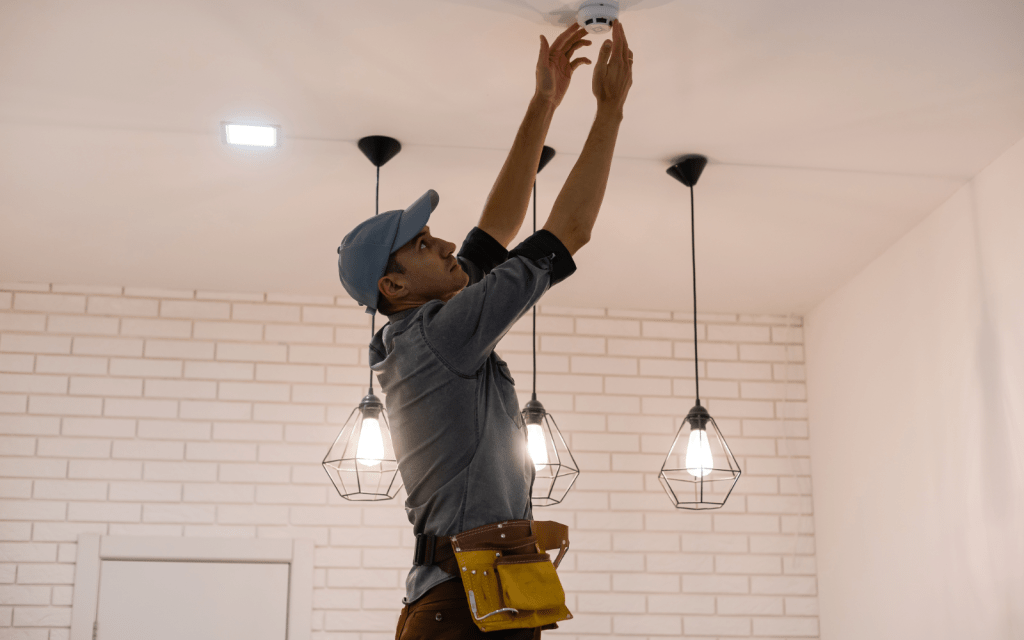
Selecting electrical contractors for detector installation and service affects the quality, reliability, and code compliance of your life-safety systems. Our qualifications, systematic approach, and commitment to family safety distinguish us throughout Snohomish and King Counties.
Our specialized life-safety expertise extends beyond basic electrical knowledge to comprehensive understanding of fire and CO detection requirements, code specifications for detector placement and interconnection, optimal detector types and technologies for different applications, installation techniques ensuring reliable long-term operation, and testing protocols verifying proper system function. This specialized knowledge ensures detector installations provide maximum family protection.
Our licensed contractor qualifications ensure professional installations meeting all code requirements. We maintain current Washington State Electrical Contractor licensing (License #: REDDIEL798L8), comprehensive liability insurance, workers’ compensation coverage, business bonding (UBI #: 604 748 001), and all credentials necessary for professional electrical work including detector installations.
Our comprehensive service approach addresses all aspects of residential smoke and CO detection. We assess existing detector systems and identify deficiencies, design complete detector systems meeting and exceeding codes, install detectors with proper placement and interconnection, test systems thoroughly verifying proper operation, provide homeowner training on detector maintenance and operation, and offer ongoing service for detector replacement and system upgrades.
Our quality equipment selection ensures reliable protection. We install detectors from reputable manufacturers with proven reliability, select appropriate detector types for each location and application, use quality mounting hardware ensuring secure installation, provide proper interconnection wiring or wireless systems, and ensure installations provide long-term reliable service.
Our thorough testing and verification confirms detector system function. We test each detector individually ensuring proper operation, verify interconnection triggers all detectors simultaneously, check CO detector response using test gas when appropriate, confirm alarm sound levels meet requirements, and document complete system testing.
Our code compliance commitment ensures installations meet all applicable requirements. We stay current with building and fire code detector requirements, install detectors at all code-required locations with proper spacing, provide required interconnection, ensure compliance with local amendments and specific jurisdiction requirements, and provide documentation supporting inspections and home sales.
Our 150+ five-star Google reviews include positive feedback about our detector installations and service. Customers appreciate our thoroughness in explaining detector requirements and options, professional installation ensuring proper operation, patient training on system operation and maintenance, fair pricing for life-safety services, and peace of mind knowing their families have proper protection.
Our transparent communication ensures you understand detector requirements and options. We explain current code requirements clearly, discuss detector types and technologies in understandable terms, provide recommendations based on your specific situation, explain testing and maintenance requirements, and ensure you’re comfortable operating and maintaining detector systems.
Our lifetime labor warranty demonstrates confidence in our installations and provides long-term protection. Our comprehensive warranty covers all detector installation work we perform, ensuring your investment in life-safety systems provides reliable long-term protection.
EXCELLENT

Based on 150+ Reviews on Google
Properly installed and maintained smoke and carbon monoxide detectors provide critical life-saving protection for your family. Whether you’re addressing code requirements, replacing aging detectors, upgrading to interconnected systems, installing smart detectors, or ensuring your home has adequate protection, trust REddie Electric to provide the expert detector installation and service your family deserves.
📞 Call Anytime (425) 371-8570
📧 Email Eddie@REddieElectric.com
Service Hours: Every day from 12:00 AM to 12:00 AM (24 Hours a Day)
Serving: Snohomish County: Marysville, Lake Stevens, Everett, Mukilteo, Snohomish, Silver Firs, Mill Creek, Maltby, Edmonds, Lynnwood, Mountlake Terrace and Bothell.
King County: Seattle, Shoreline, Kirkland, Redmond, Bellevue and Bothell
Whether you need complete detector system installation, detector replacement and upgrades, interconnection system implementation, smart detector installation, code compliance verification, or professional testing and inspection, REddie Electric delivers smoke and carbon monoxide detector services that prioritize your family’s safety through proper installation, thorough testing, and ongoing support. Contact us today and experience the difference that professional, licensed, experienced electricians make in life-safety detector installations.
REddie for your Smoke & Carbon Monoxide Detector Installation Services? Get Started by Clicking One of the Buttons Below.
REddie for your Smoke & Carbon Monoxide Detector Installation Services? Get Started by Clicking One of the Buttons Below.
Fill out the form below, and we will be in touch shortly!